Capt. Ken's Custom Flies
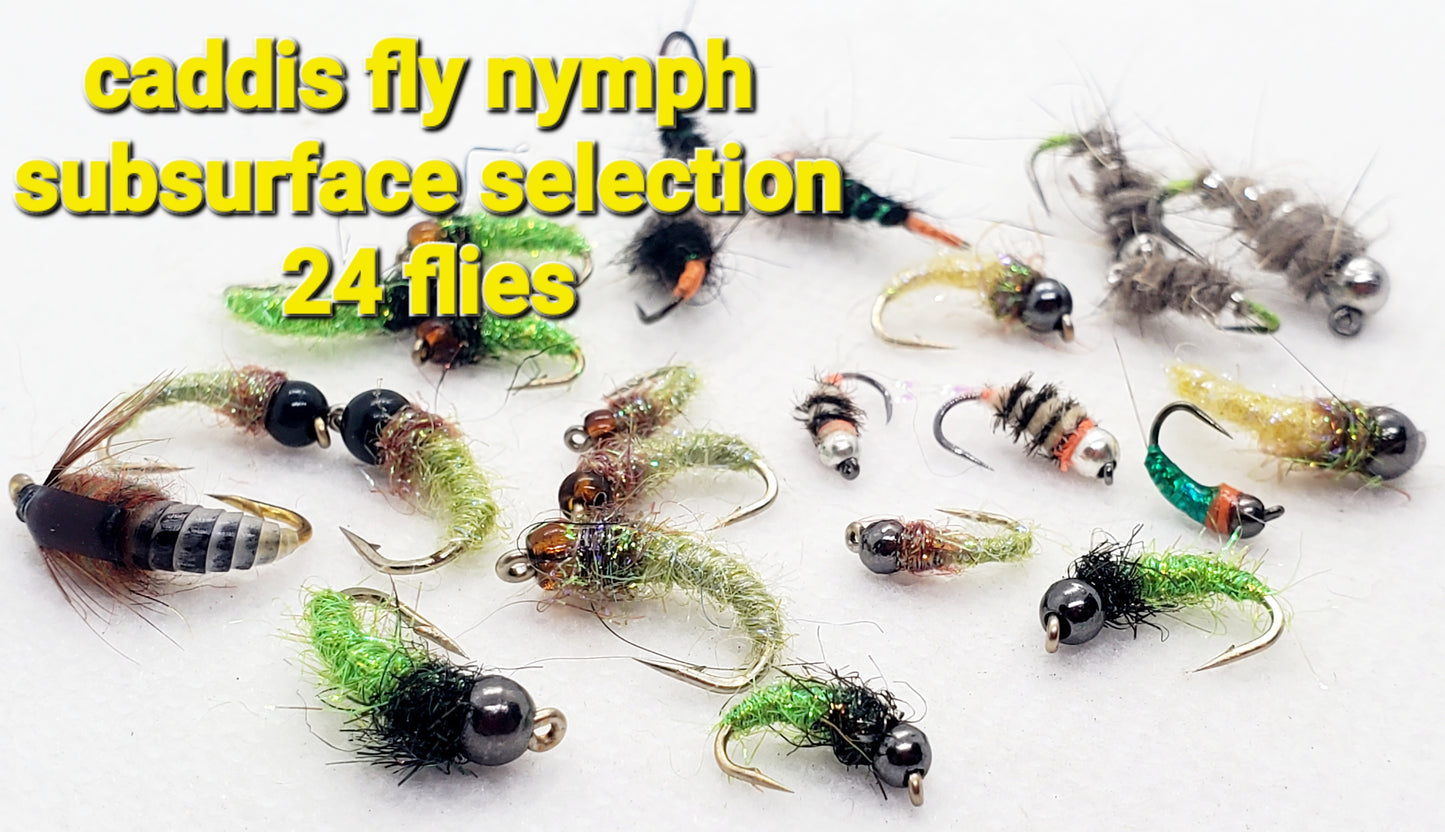
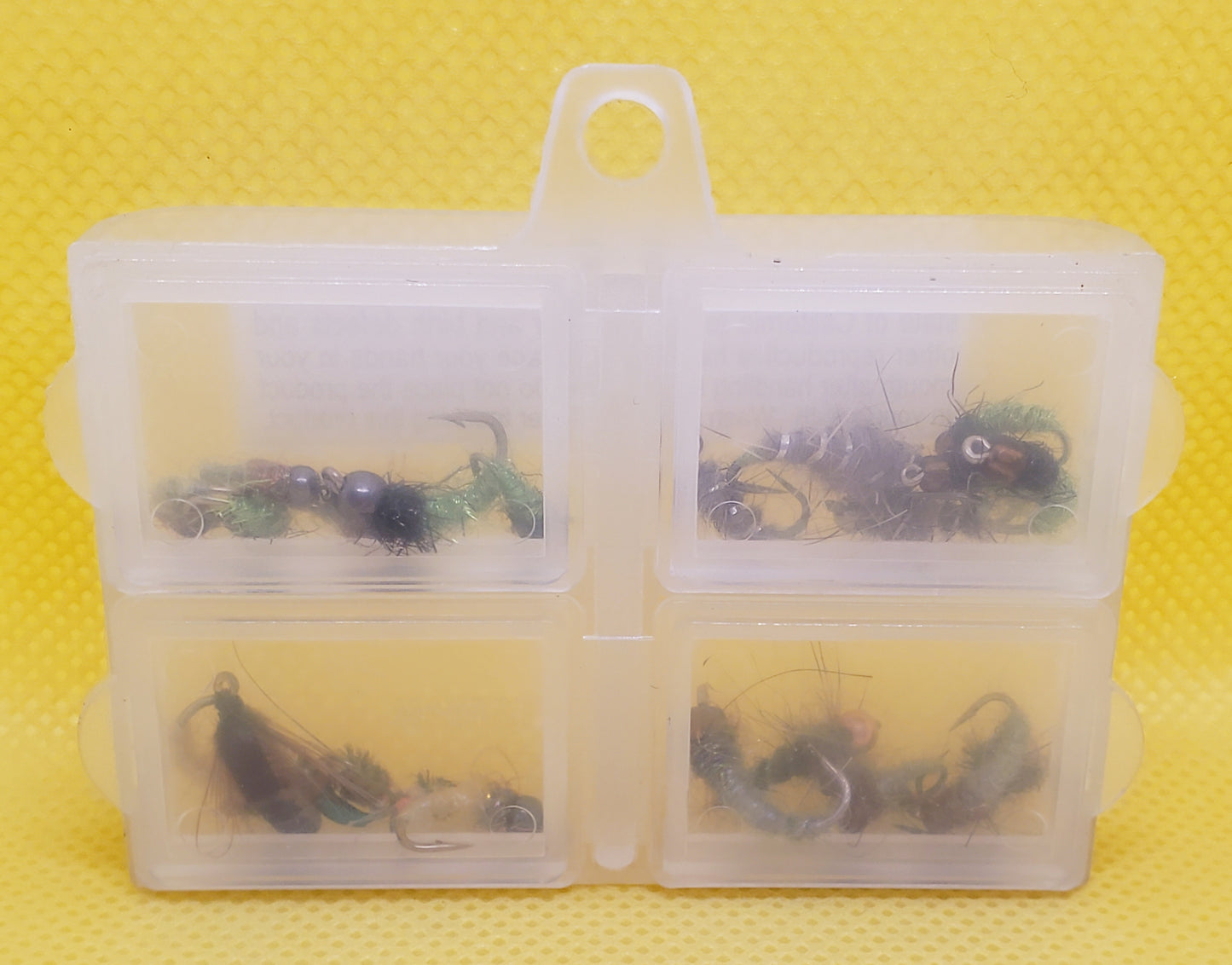
24 Caddis Nymphs & Larvae – Tungsten Bead Head Caddis Flies
Couldn't load pickup availability
24 Caddis Nymph & Larva Fly Selection – Bead Head Caddis Nymphs
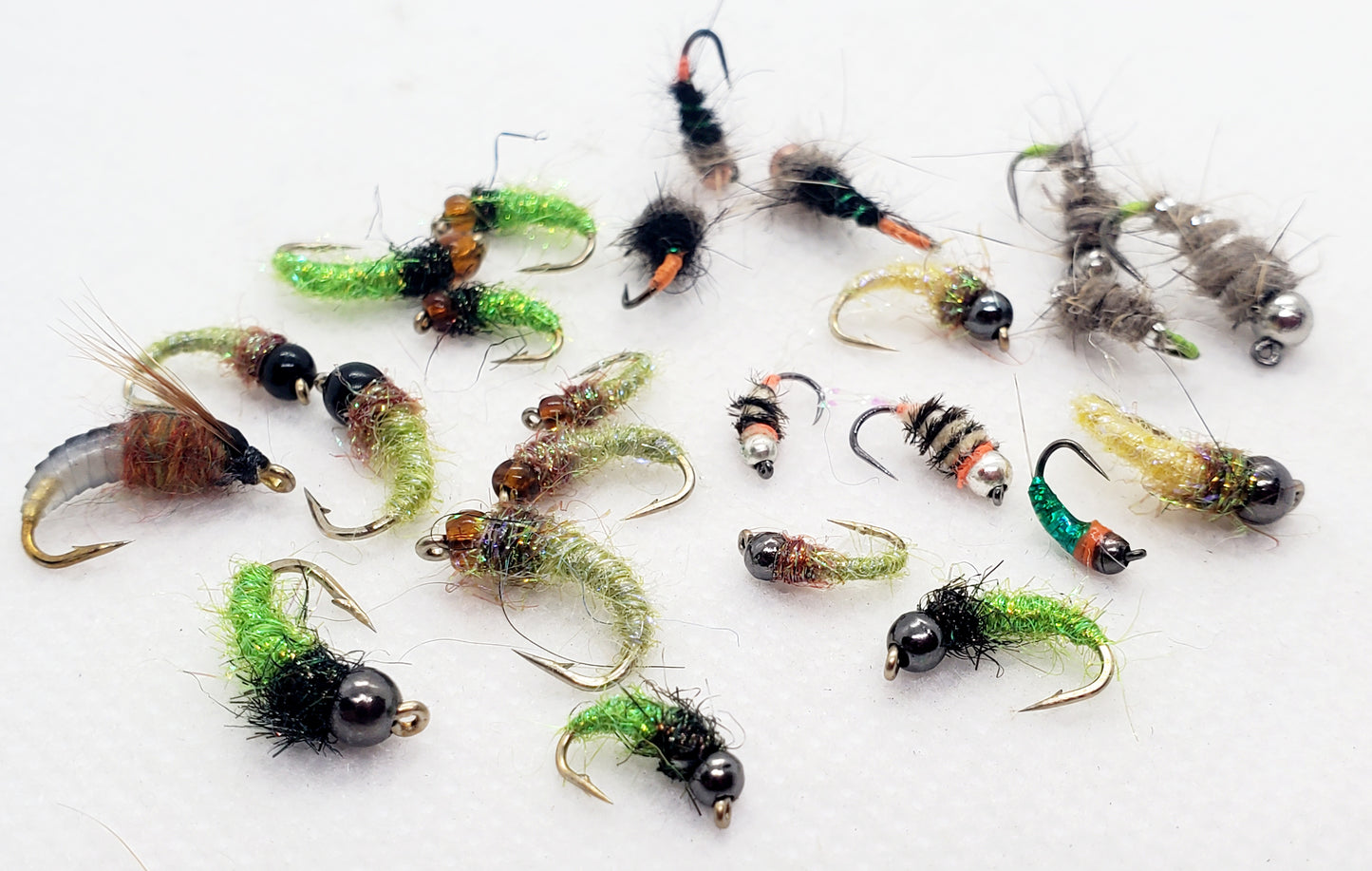
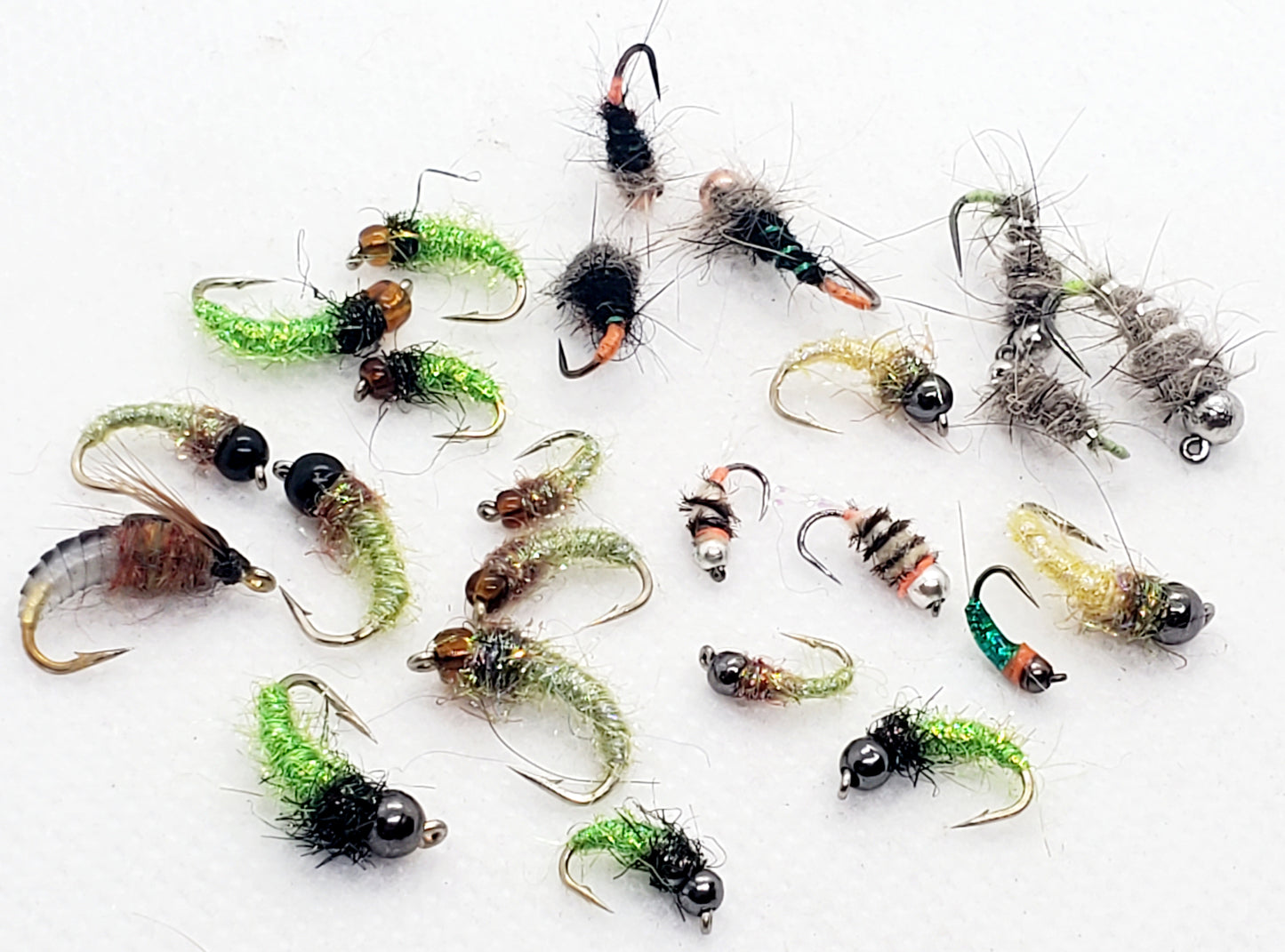
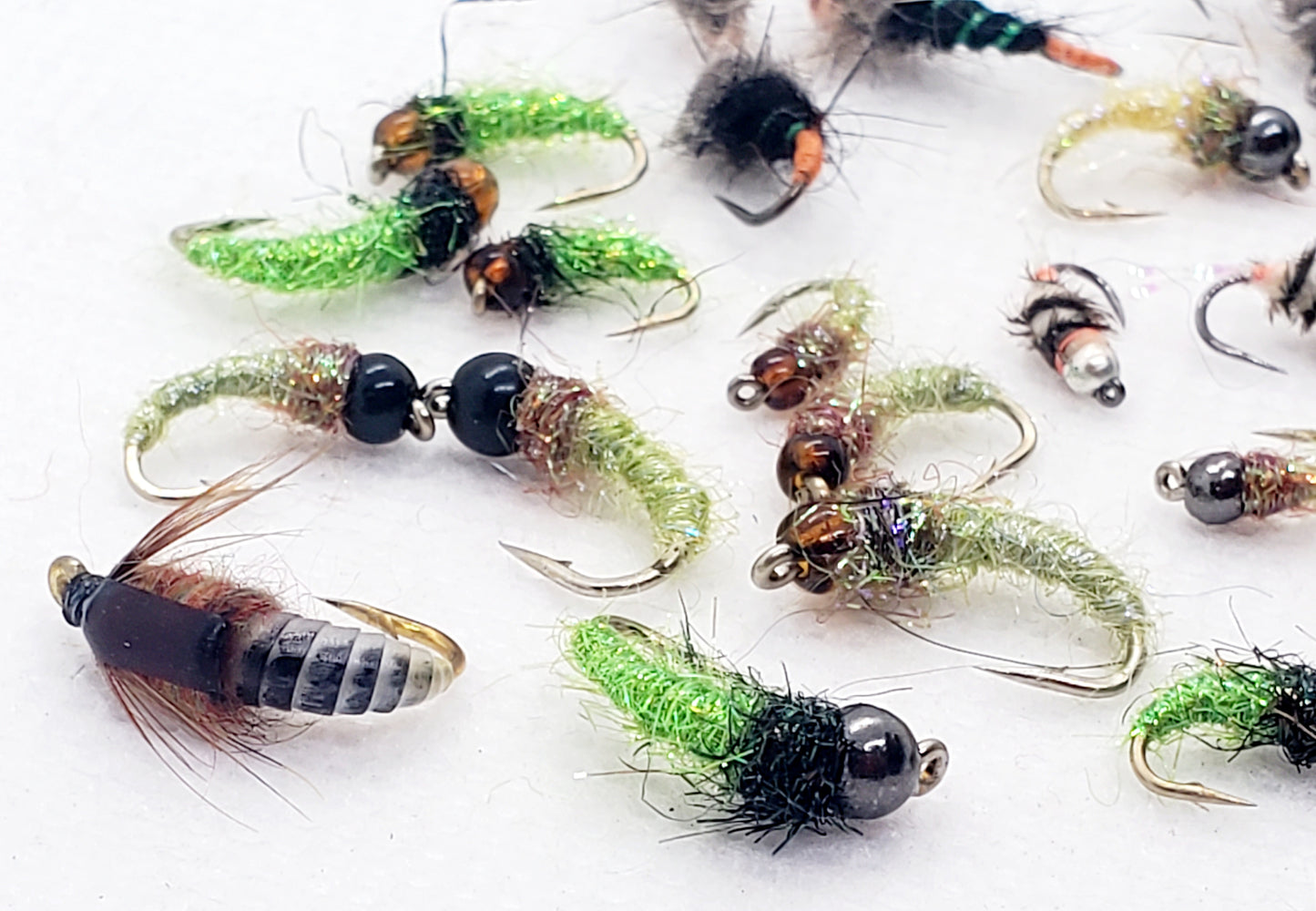
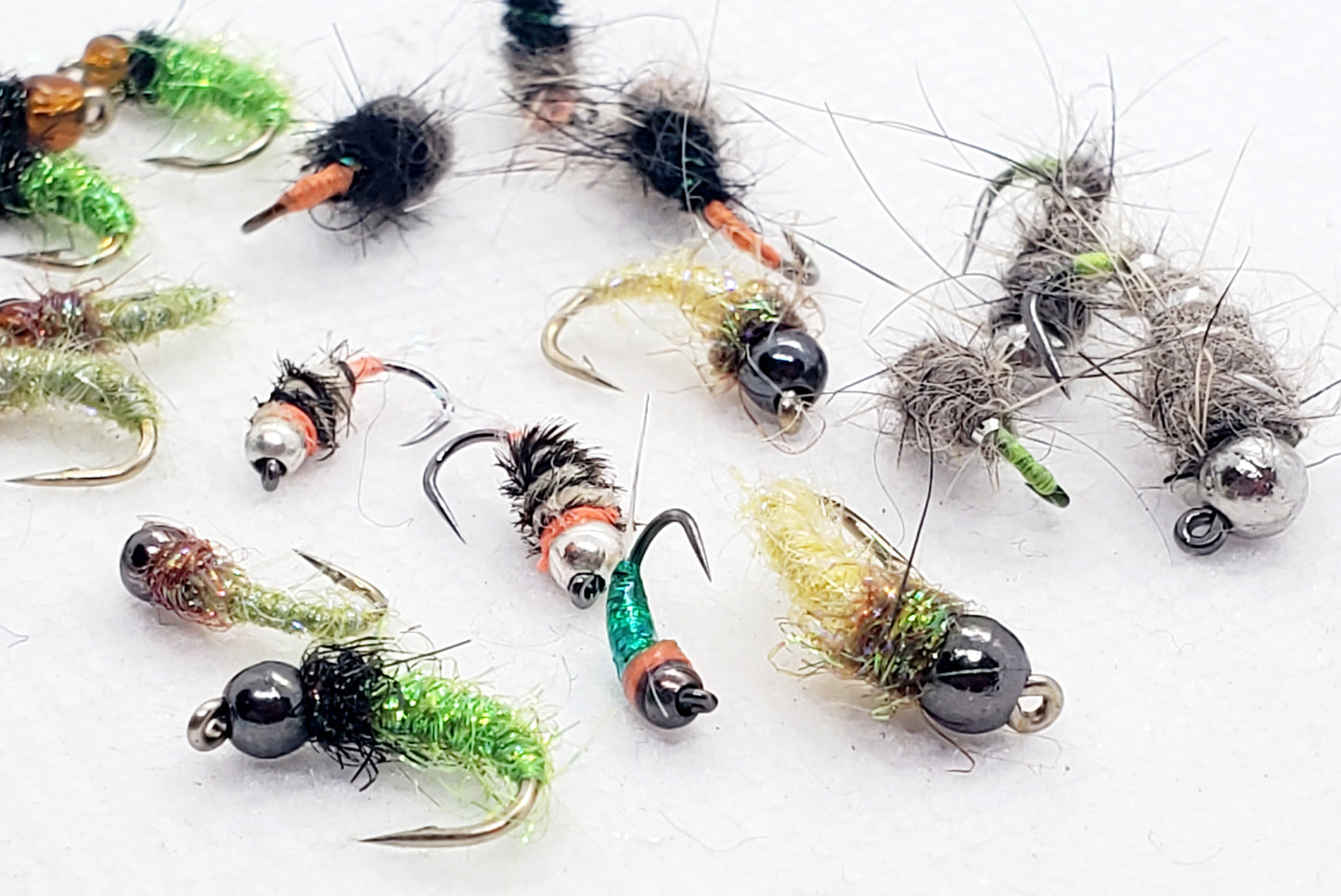
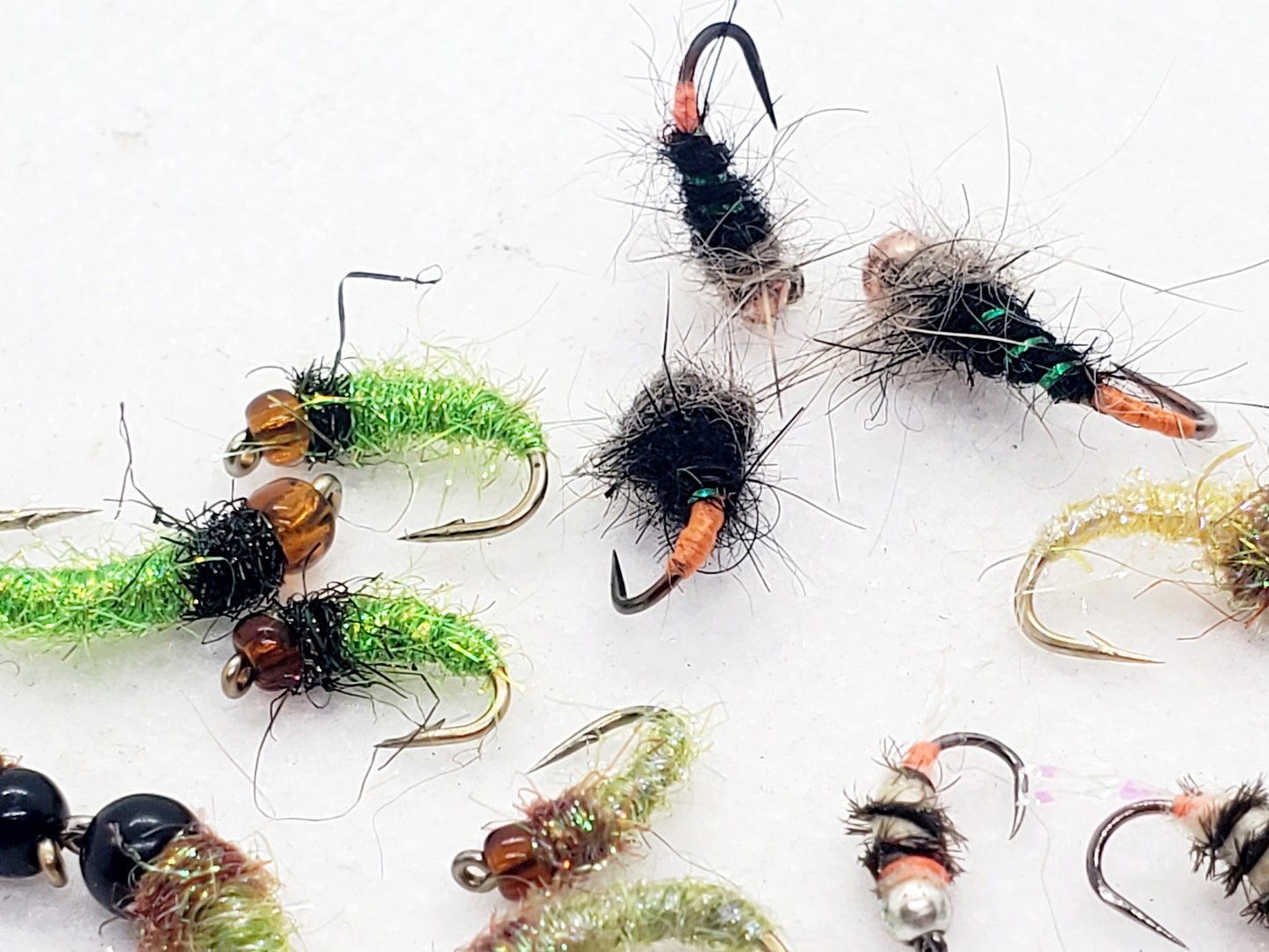
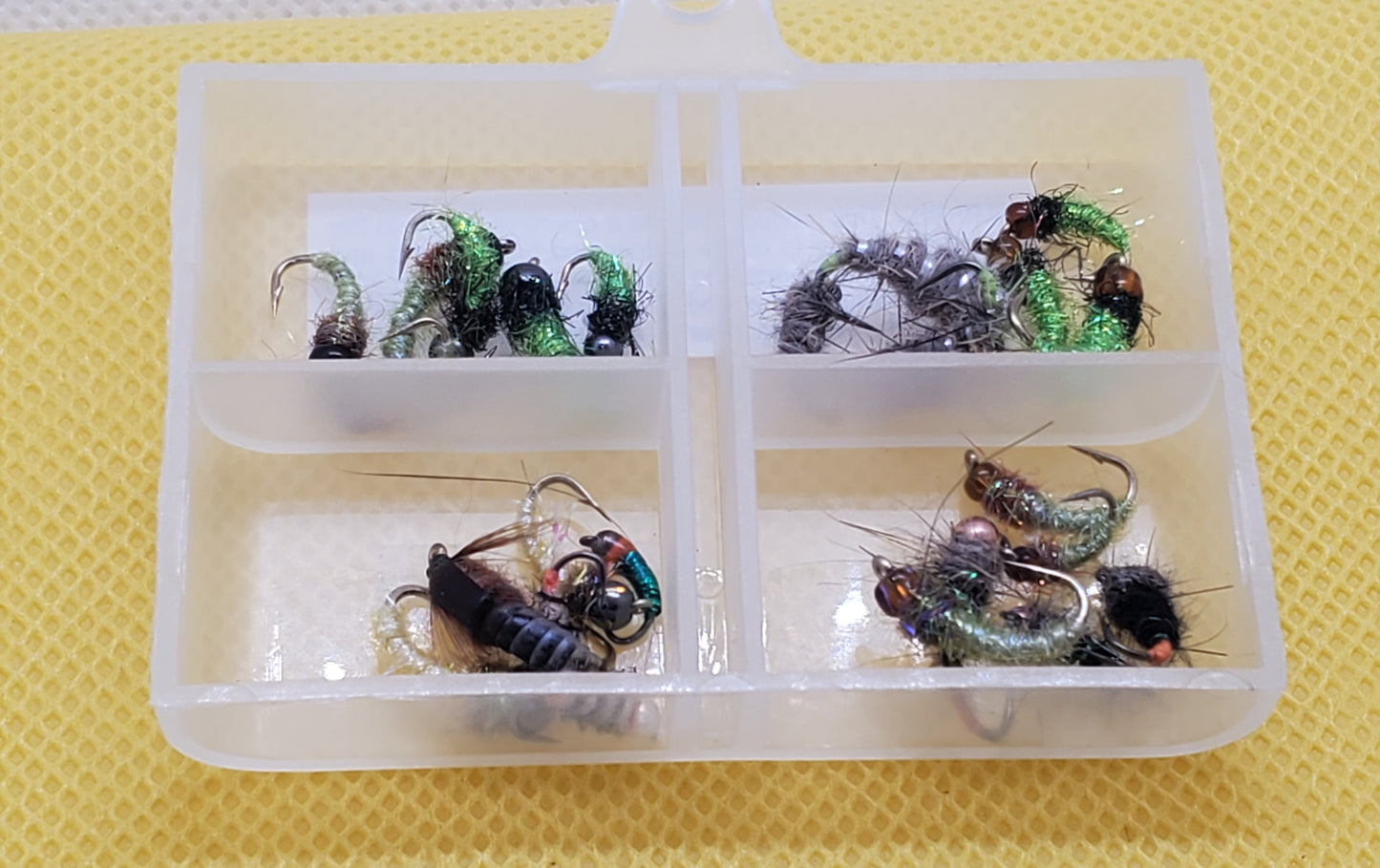
A 24-fly assortment of guide-selected caddis nymphs and larva patterns in sizes #12 through #18, featuring glass, standard, and predominantly tungsten bead heads to cover different water depths and fishing conditions.
Description
Caddisflies are an important food source for trout in rivers and streams. While adult caddis often get attention during surface activity, trout spend much of their time feeding on caddis larvae and pupae below the surface.
Capt. Ken Tutalo’s 24 Caddis Nymph and Larva Selection brings together a versatile assortment of proven patterns designed to imitate the subsurface stages of caddisflies found in most trout streams.
This selection includes bead head caddis nymphs in sizes #12 through #18, with a combination of glass beads, standard beads, and tungsten beads. The majority of the flies feature tungsten beads for added weight and a faster sink rate.
The variety of bead styles and weights allows you to adjust your presentation and fish different levels of the water column, from shallow feeding lanes to deeper runs and pools.
Why Fish Caddis Nymphs and Larvae?
Caddis larvae are available to trout throughout much of the year. Depending on the species, they may live in protective cases, attach themselves to rocks, or move freely along the stream bottom.
As caddis develop toward emergence, pupae become increasingly active and move through the water column. Bead head caddis patterns imitate these important food sources and give anglers productive options when trout are feeding below the surface.
When to Fish Them
-
Throughout the trout season when fish are feeding subsurface
-
During periods of caddis activity and emergence
-
In riffles, pocket water, runs, and deeper pools
-
When trout are holding near the stream bottom
-
When surface activity is limited or trout are ignoring dry flies
How to Fish Them
Fish these patterns under an indicator, tight-line, or Euro-style nymphing setup. Use the different bead weights to adjust how quickly your flies sink and where they travel in the water column.
Tungsten bead patterns are especially useful when fishing deeper or faster water. Glass and standard bead patterns provide lighter presentations for shallower water or situations where a slower sink rate is desirable.
Adjust your weight, leader length, and rig depth to achieve a natural drift near the feeding zone.
Capt. Ken’s Guide Tip
Caddis larvae and pupae are available to trout even when you don't see adult caddis on the water. Don't wait for a hatch to fish caddis imitations. Carry different bead weights so you can adjust your presentation to the depth and speed of the water you're fishing.
Selection Details
-
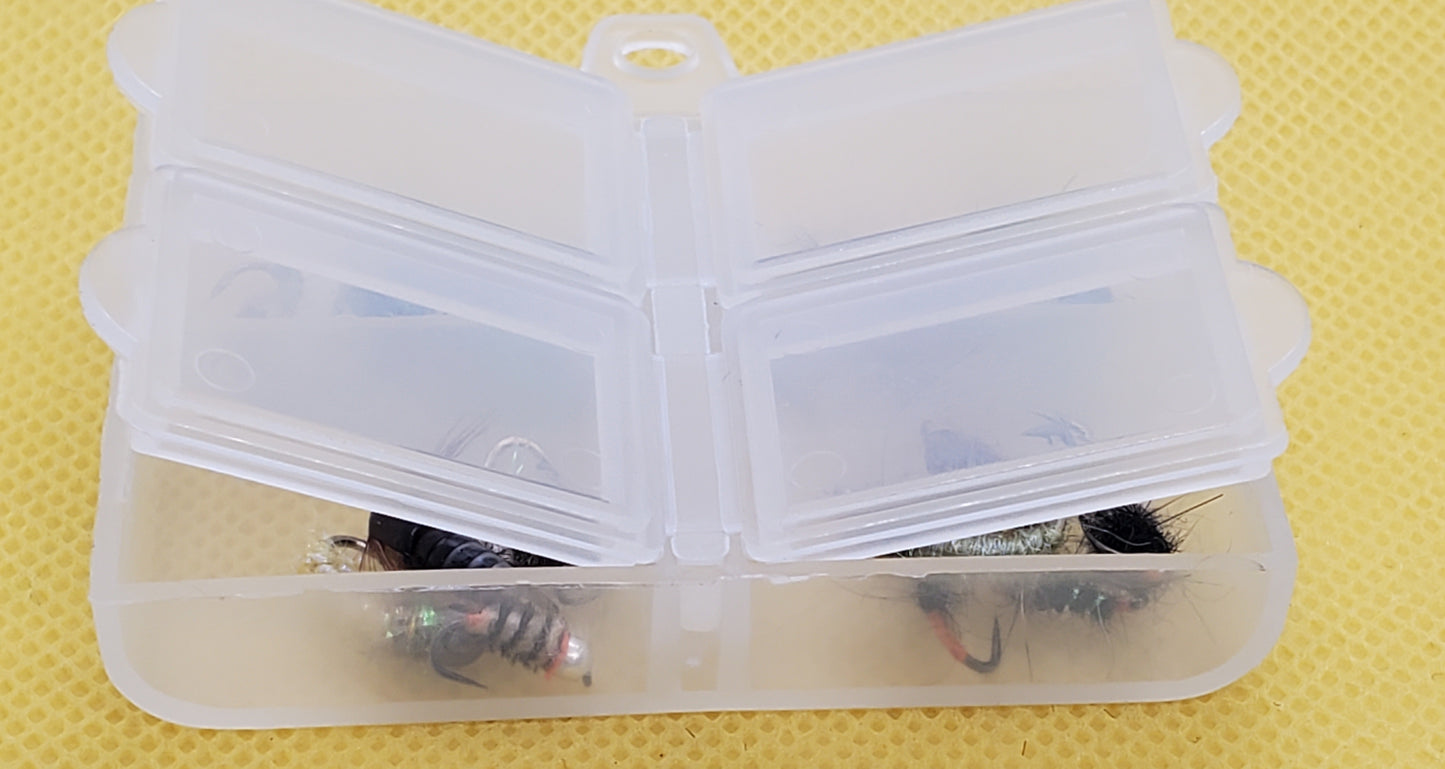
Quantity: 24 caddis nymph and larva flies
-
Sizes: #12 through #18
-
Bead styles: Glass, standard metal, and tungsten
-
Majority: Tungsten bead head patterns
-
Pattern types: Caddis larva and subsurface caddis imitations
-
Selected by: Capt. Ken Tutalo
-
Target species: Trout
Build a More Versatile Trout Nymph Box
A productive caddis selection should cover more than one stage of the insect's life cycle. Capt. Ken’s 24 Caddis Nymph and Larva Selection gives you a range of patterns, sizes, and bead weights to adapt to changing water conditions. Add this assortment to your fly box and be prepared to fish caddis imitations throughout the season.
Share